A local travel website may begin with a simple purpose: explain an attraction, introduce a neighbourhood, or help visitors plan an afternoon. Its audience, however, can include people who have never heard of the region and do not understand the assumptions that feel obvious to residents.
Reaching those readers is not just a matter of translating a homepage. It means making the place understandable from a distance. Clear descriptions, useful directions, and honest explanations can help an unfamiliar visitor picture the experience and decide whether it belongs in their plans.
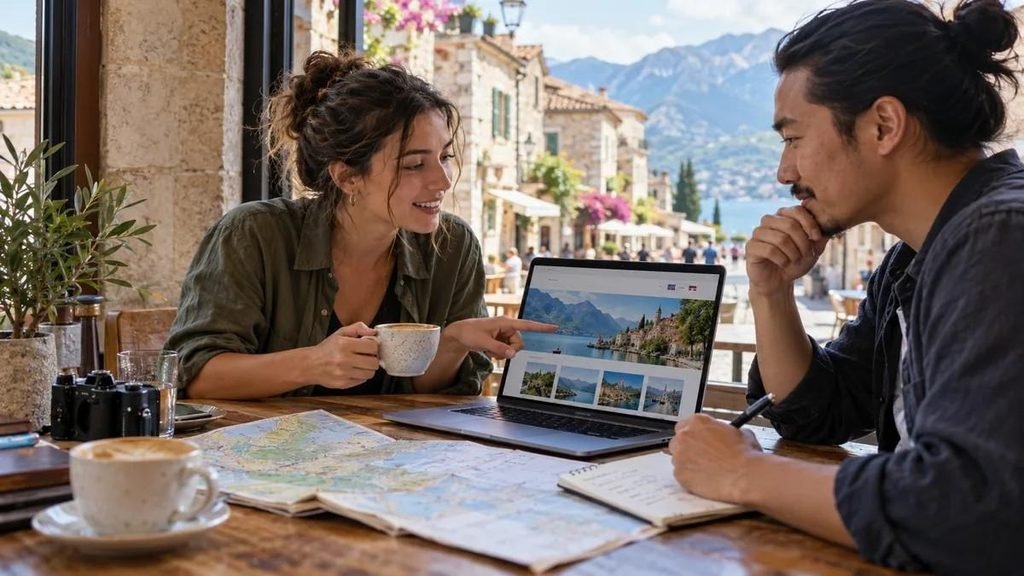
Explain the Place Before Selling the Experience
A local reader may already know the nearest town, the landscape, and how people normally travel there. An international visitor may know none of those things. Start with the basic setting and explain what a visit actually involves in ordinary language. Explain unfamiliar terms in context: just as สล็อต identifies slots in Thai, a local activity name needs enough explanation for readers to understand what it describes.
Replace vague descriptions with concrete details. Say whether the attraction is a walking route, a guided activity, or somewhere to spend an afternoon. Explain which information visitors need before making arrangements. A clear opening lets readers understand the offer without requiring them to consult several other pages. It also gives translated versions a stronger foundation because the original meaning is easier to preserve.
Understand Search Language Without Copying Every Trend
People do not always use a direct translation of the phrase a business owner expects. They may search by a nearby city, an unfamiliar activity name, or the problem they are trying to solve. Useful audience research looks for those differences in intent.
Identifying a visitor’s language is not enough to establish what they want to find. A website should understand what a phrase means before treating it as evidence of visitor demand. Matching the reader’s actual question matters more than placing popular foreign words on a page and hoping that visibility alone will create interest.
Translate the Practical Details Carefully
Visitors need reliable information about meeting points, reservations, equipment, and what is included. A beautifully translated introduction is of limited help if the booking instructions remain confusing. Give these practical sections the same attention as the promotional copy.
Keep measurements and timing clear, and explain local expressions that may not travel well. Where a place name has no meaningful translation, preserve it consistently so visitors can recognize signs and search maps. If a service is available only in certain languages, say so before someone books. Clear expectations make the experience easier for both the visitor and the people answering questions on site.
Build Pages Around Distinct Visitor Questions
Some readers want inspiration; others are already comparing routes or deciding what to bring. A useful site supports those stages with clear pages and links. One article can describe the experience, while another explains transport or answers common practical questions.
The phrase สล็อตเว็บตรง belongs to a specialist gambling search, demonstrating how different two search intentions can be even when they come from the same language community. International readers should not be treated as one uniform audience. Organize content around what visitors need to accomplish, and connect related travel pages where the next step is genuinely useful. This keeps the site coherent as its content grows.
A visitor should be able to find the location, contact details, and booking information without guessing which decorative button contains them. Use familiar labels and keep essential pages reachable from the main navigation. Long menus are not a substitute for a clear structure.
Contact forms should request only what is needed to answer the enquiry. Explain when a reply can reasonably be expected and which language options are available. For someone planning from another time zone, this is more useful than a vague promise of instant assistance. A straightforward process can make a modest local website feel dependable without requiring elaborate features or expensive design.
Keep the Local Character Visible
An international audience does not require a website to sound anonymous. Explain local customs, describe the setting in specific terms, and use photographs that represent the actual place. Readers often visit because they want an experience different from the one available at home.
Review essential information whenever the service changes, and check that translated pages receive the same updates. Invite visitors to ask questions that reveal what remains unclear. Over time, those questions can guide better explanations. A strong local travel website welcomes people from elsewhere by helping them understand the place as it is, with enough practical detail to arrive prepared and enough character to make the journey appealing.
Read more related blogs on Bio4Insta. Also Join WhatsApp Group for more updates.