Football has become increasingly data-driven. Fans today can access league tables, recent form, scoring records, home and away performance, injuries, suspensions, and many other statistics before a match begins. Among these sources, football odds and league standings are two of the most commonly viewed forms of information.
However, neither should be read in isolation. Odds reflect a market view of a match, while standings show what teams have achieved over a longer period. Combining both with current team news can provide a clearer picture of the competitive context.
Understanding tỷ lệ bóng đá Before a Match
When reviewing tỷ lệ bóng đá, readers will usually see several different markets. These may include handicap lines, totals, and match-result prices. Each represents a different way of describing expectations around a fixture.
A handicap focuses on the perceived difference between two teams. A totals line is more concerned with the expected number of goals. Match-result prices focus directly on whether the home team, away team, or neither side wins.
These figures should not be treated as guaranteed predictions. Football remains uncertain because a red card, injury, penalty, tactical change, or individual mistake can alter the direction of a match within seconds.
For that reason, odds are most useful when viewed alongside broader football information.
Reading the bảng xếp hạng bóng đá in Context
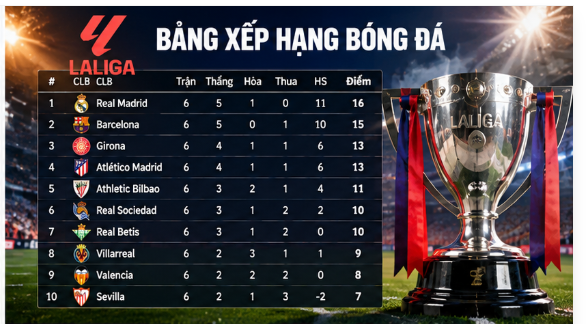
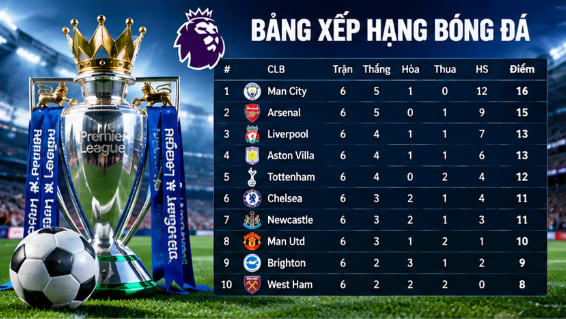
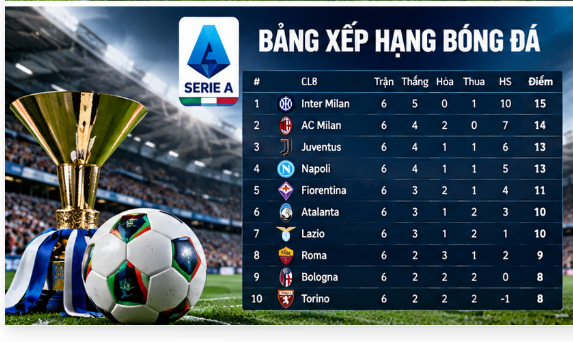
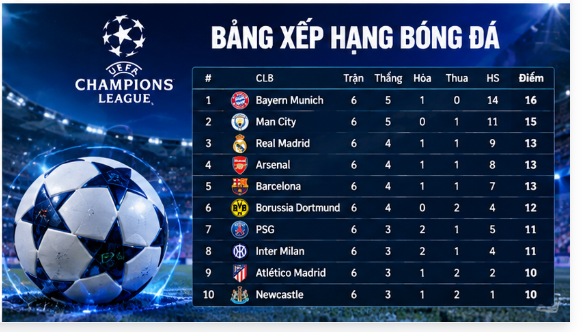
The bảng xếp hạng bóng đá gives readers an immediate overview of a competition. It normally includes matches played, wins, draws, defeats, goals, goal difference, and total points.
The table is useful because it shows performance across an extended period rather than one or two isolated matches. Still, league position alone does not explain everything.
A team in fifth place may only be one point behind the team in second. Another side may appear lower because it has played fewer matches. This is why points and matches played should always be checked together.
Goal difference also adds useful context. Two teams can have the same number of points but very different attacking and defensive records.
Compare Recent Form With Long-Term Position
League standings describe the season as a whole, while recent form helps identify the current direction of a team.
A club may remain near the top because of a strong start but enter an upcoming match after several poor performances. Another team may still be in the lower half despite improving significantly during the previous month.
Looking at the last five or six matches can therefore complement the league table.
It is also important to consider opponent quality. Winning several matches against struggling clubs is different from earning similar results against title contenders.
Home and Away Records Matter
Overall standings can sometimes hide major differences between home and away performance.
Some teams collect most of their points at home because they are comfortable controlling matches in familiar surroundings. Others may perform better away because their tactical approach works well when they can defend deeper and counterattack.
When analyzing a fixture, readers should therefore compare home and away records separately where possible.
Goals scored and conceded under those conditions can provide more useful information than season averages alone.
Team News Can Change the Picture
League position and past results cannot fully account for last-minute changes to the squad.
The absence of a leading scorer, creative midfielder, central defender, or goalkeeper can influence both tactics and expectations. Suspensions can have a similar effect.
The replacement player’s quality also matters. A team with a deep squad may handle one absence comfortably, while another club may struggle when an important starter is unavailable.
Reliable team news should therefore be checked close to kickoff.
Consider the Match Schedule
Modern football clubs often compete in several tournaments. Domestic leagues, cups, continental competitions, and international duties can create a demanding schedule.
A team playing its third match in eight days may rotate players or show signs of fatigue. Travel can also affect preparation.
This is especially relevant when one side has enjoyed a full week of rest while its opponent has played a difficult midweek match.
Schedule context does not determine the result, but it can help explain changes in expected performance.
Read More: rikvip Casino – A Premium Gameshow Entertainment Space
Avoid Overusing Head-to-Head Records
Past meetings can be interesting, but their value decreases as teams change.
A match from three years ago may have involved different managers, formations, and key players. For this reason, recent meetings are usually more relevant than historical records from distant seasons.
Even recent head-to-head statistics should not replace analysis of present conditions.
The best use of past meetings is to identify tactical patterns that may still exist, not to assume history will automatically repeat itself.
Conclusion
Football odds and league standings are useful tools for understanding a match, but neither provides a complete answer on its own. Standings show long-term achievement, while odds summarize expectations around a specific fixture.
Recent form, home and away performance, injuries, tactical styles, and schedule pressure should all be considered before drawing conclusions.
Most importantly, football remains unpredictable. Data can improve understanding, but it cannot remove uncertainty. Readers who treat each statistic as one part of a larger picture are more likely to develop a balanced and informed view of a match.
Read more related blogs on Bio4Insta. Also Join WhatsApp Group for more updates.